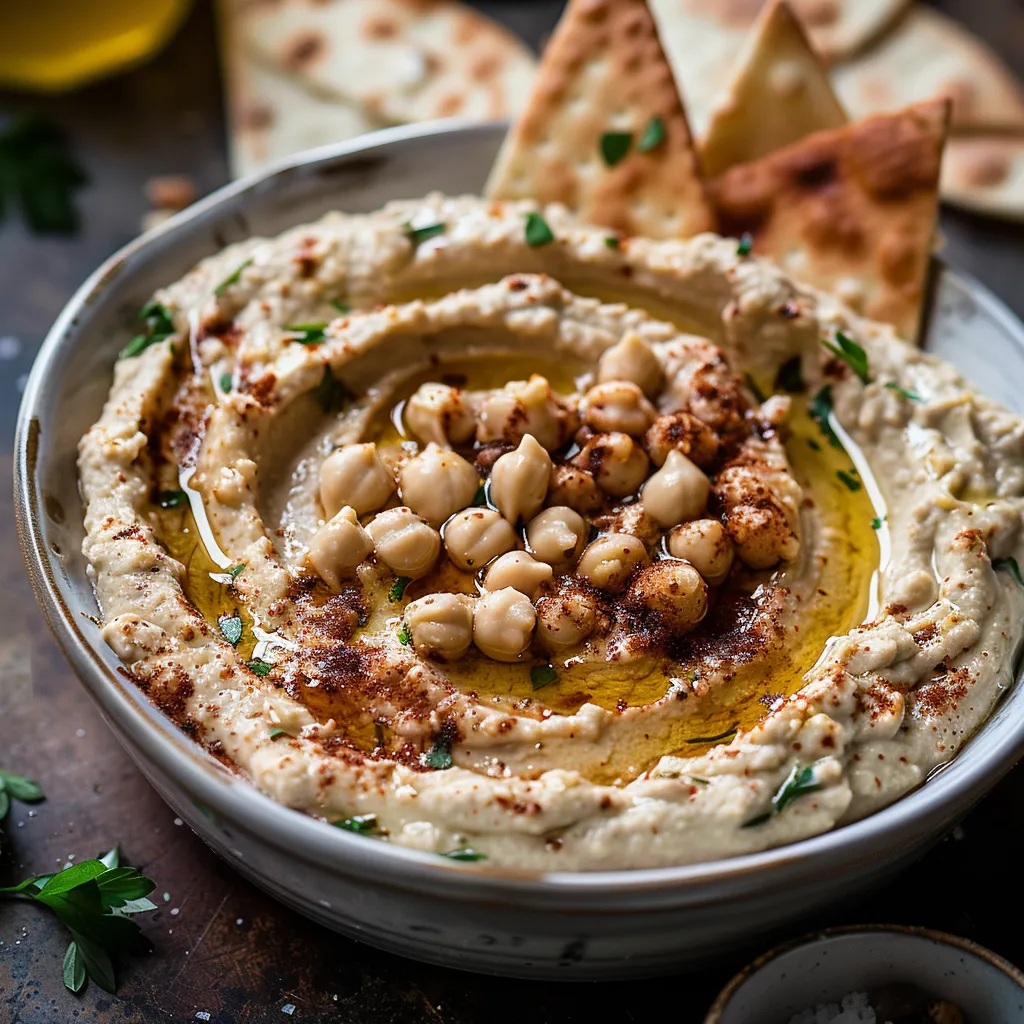
Tired of bland, store-bought dips that just don't hit the spot? Imagine diving into a bowl of hummus so incredibly smooth, so rich in flavor, and so perfectly creamy that it transports you straight to a bustling Middle Eastern market. The good news? Achieving this culinary dream is not only possible in your own kitchen, but it’s surprisingly simple. Forget what you think you know about making hummus; this guide will reveal the authentic secrets to super creamy hummus, empowering you to master easy homemade hummus that is undeniably better than anything you’ll find in a plastic tub.
Hummus, a quintessential dip from the heart of the Middle East, is far more than just a blend of chickpeas. It’s a staple, a celebration of simple ingredients transformed into something extraordinary. For many, including those raised with it as a regular part of family meals, it embodies comfort and flavor. And here’s the best part: even if you consider yourself a novice in the kitchen, learning how to make hummus from scratch is a highly rewarding endeavor that promises delicious returns.
Unlocking the Secrets: Why Homemade Hummus Reigns Supreme
Why bother making hummus at home when it’s so readily available? The answer lies in an unparalleled freshness, a customizable flavor profile, and a texture that simply cannot be replicated by mass-produced versions. When you learn how to make hummus yourself, you control every ingredient, ensuring a healthier, tastier, and more satisfying dip.
The Foundation: Picking Your Chickpeas
The star of the show, chickpeas (also known as garbanzo beans), dictates much of your hummus's final texture. For the ultimate, authentic, extra-creamy hummus, starting with dried chickpeas is non-negotiable. While canned chickpeas offer convenience, they simply don't achieve the same level of melt-in-your-mouth tenderness that dried ones do when cooked properly. Their skins are often tougher, and the bean itself holds less moisture, making it harder to get that silky smooth consistency.
The Creaminess Factor: Tahini and Beyond
Beyond the chickpeas, a few key ingredients elevate hummus from good to exceptional:
- Tahini: This rich, nutty paste made from toasted sesame seeds is the second most crucial ingredient. The quality of your tahini will profoundly impact the flavor and creaminess of your hummus. Look for a brand with a pourable consistency, light color, and a pleasant, not bitter, taste.
- Fresh Lemon Juice: This bright, acidic component is vital for cutting through the richness and lifting the earthy notes of the chickpeas. Always use fresh-squeezed; bottled lemon juice simply won't do.
- Garlic: Start with a single clove, finely minced or crushed. Raw garlic offers a potent kick, so you can adjust to your preference.
- Kosher Salt: A pinch is all it takes to enhance and balance the other flavors.
- Extra Virgin Olive Oil: Drizzled generously on top when serving, a good quality olive oil is not just a garnish but an essential flavor component, adding richness and a subtle peppery finish.
Step-by-Step: How to Make Hummus That's Unforgettable
Ready to embark on your journey to homemade hummus perfection? Here's the detailed process:
Preparation is Key: Soaking and Cooking Chickpeas
If using dried chickpeas (highly recommended for superior creaminess):
- Soak Overnight: Place 1 cup of dried chickpeas in a large bowl and cover with plenty of cold water – at least 3-4 inches above the beans, as they will expand significantly. Let them soak for 8-12 hours, or overnight.
- Cook to Tenderness: Drain the soaked chickpeas and transfer them to a medium-sized heavy-bottomed pot. Cover them again with fresh water, about 2 inches above the beans. Bring to a boil, then reduce the heat to a simmer. Cook for 1.5 to 2 hours, or until the chickpeas are incredibly tender and easily mashable between your fingers. They should be almost falling apart.
If using canned chickpeas (for convenience, with a trick to improve texture):
- Rinse and Simmer: Drain and thoroughly rinse one 15-ounce can of chickpeas. Place them in a pot and cover with fresh water. Bring to a simmer for about 15-20 minutes. This extra simmering helps soften their skins and the beans themselves, making them easier to blend into a smoother consistency.
The Ultimate Secret: Peeling for Perfection
This is arguably the most crucial secret to achieving truly silky, restaurant-quality hummus. The skins of chickpeas, though thin, contribute to a slightly grainy texture. Removing them creates an unparalleled smoothness.
- Method 1 (Individual): Once cooked and slightly cooled (but still warm), gently rub individual chickpeas between your thumb and forefinger to slip off the skins. This is meditative but time-consuming.
- Method 2 (Mass Production): Transfer the cooked (and drained) chickpeas to a large bowl and cover them with warm water. Gently agitate them with your hands, rubbing them together. Many skins will float to the surface. Skim them off. Repeat this process a few times until most of the skins are removed.
While optional, taking the time to peel your chickpeas will yield a hummus so smooth, you'll wonder why you ever skipped this step. This is a game-changer when learning how to make hummus like a pro!
Blending Your Way to Bliss: The Processor Magic
- Garlic & Lemon First: In the bowl of a food processor, combine your minced garlic and fresh lemon juice. Process for about 30 seconds. This helps to mellow the raw garlic flavor slightly and infuse the lemon juice.
- Add Tahini: Scrape down the sides, then add the tahini and salt. Process for 1-2 minutes until the mixture is very pale, thick, and creamy. This crucial step is called "whipping the tahini" and creates a light, airy base.
- Introduce Chickpeas: Add your peeled, cooked chickpeas to the food processor. Process for 3-5 minutes, scraping down the sides occasionally. The mixture will start to look crumbly, then slowly come together.
- The Ice Water Trick: Here's another secret! With the processor running, slowly drizzle in 2-4 tablespoons of ice-cold water (or a few ice cubes). The cold water helps to emulsify the mixture, making it incredibly light and fluffy. Continue processing until the hummus is perfectly smooth and airy.
Mastering the Hummus Art: Tips for Super Creamy Results
Don't Skimp on Quality Ingredients
As mentioned, the quality of your tahini is paramount. A good tahini is fluid, light in color, and tastes mildly nutty, not bitter. Similarly, fresh lemon juice is non-negotiable, and a high-quality extra virgin olive oil for serving makes a real difference in the overall experience.
Ice, Ice Baby: The Cold Water Trick
Incorporating ice water during the blending process is a chef's secret for achieving that coveted airy, light, and super creamy texture. The cold emulsifies the fats and starches, preventing the hummus from becoming gluey and instead yielding a fluffy consistency. Don't be afraid to add a little more if your hummus seems too thick.
Taste as You Go: The Flavor Balance
Always taste your hummus before transferring it to a serving bowl. Does it need more salt? A touch more lemon juice for brightness? Perhaps another tiny sliver of garlic? Adjusting seasonings at this stage allows you to customize it to your perfect preference.
Remember, mastering your guide to easy hummus is about experimenting and finding what you love!
Beyond the Bowl: Versatile Ways to Enjoy Your Homemade Hummus
Once you’ve learned how to make hummus, its versatility will astound you. This isn't just a dip; it's a culinary canvas:
- Classic Dip: Serve with warm pita bread, pita chips, or an assortment of crunchy vegetables like carrots, cucumbers, bell peppers, and celery sticks.
- Sandwich & Wrap Spread: Ditch the mayonnaise! Hummus makes a healthier, flavorful spread for sandwiches, wraps, and even burgers.
- Base for Meals: Use it as a base for a vibrant layered hummus bowl, topped with spiced ground meat, roasted vegetables, or a fresh salad. It pairs beautifully with grilled chicken or fish.
- Breakfast Booster: A dollop on avocado toast or alongside scrambled eggs adds a Middle Eastern twist to your morning meal.
- Salad Dressing: Thin it out with a little extra lemon juice and olive oil for a creamy, tangy salad dressing.
Garnish your finished hummus with a generous drizzle of quality extra virgin olive oil, a sprinkle of smoky paprika or tangy sumac, a scattering of fresh parsley, or even a few whole cooked chickpeas for visual appeal and textural contrast.
Learning how to make hummus from scratch is a journey worth taking. It's a simple process that yields incredible rewards – a fresh, healthy, and unbelievably delicious dip that will undoubtedly become a staple in your home. By following these secrets, from soaking and peeling your chickpeas to whipping your tahini and using ice water, you'll create a hummus so smooth, so flavorful, and so creamy, you'll never reach for a store-bought version again. Enjoy the process, savor the results, and prepare to impress everyone with your newfound hummus mastery!
